I have believed for much of my life that art belongs to everyone.
When I studied art, galleries, juries and granting institutions inevitably decided which work would be funded, exhibited or recognized. They needed standards, and those standards were shaped by the artistic and cultural concerns of their time.
I understood that.
But institutional standards should never be confused with the boundaries of creativity itself.
The impulse to create comes before permission.
The medium gives it form.
The institution may recognize it or not.
The audience may receive it or not.
But none of them created the impulse.
I think of a potter working at a wheel.
A row of vessels stands finished. One is beautifully balanced and chosen for display. Another has an uneven curve, an unusual lip or a glaze that ran unexpectedly. It remains behind.
Then someone else stops and sees something beautiful in precisely what another overlooked.
The vessel did not become a vessel because someone selected it. It already was one.
Technology has opened new possibilities for creativity. Writers can publish their own words. Someone who cannot compose music can hear their lyrics become song. An image held within the imagination can find its way into visible form.
More of the vessels can now leave the shelf.
More of what lives within us can travel from the interior into the world.
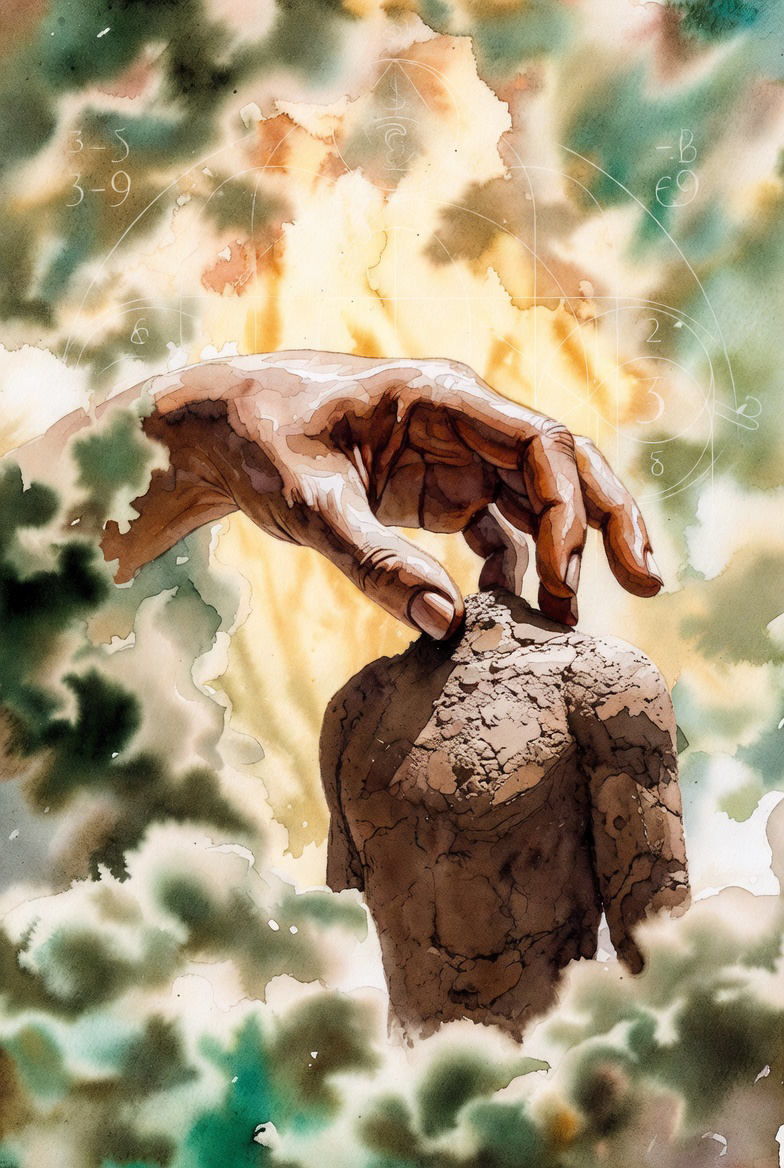
And here the potter becomes more than an image of art for me.
I think of God.
We are vessels marked by life—by experience, wounds, mistakes and unexpected turns. Yet grace does not discard the imperfect vessel and reach for better clay.
The hands of the Potter remain.
Grace continues to work with what is already there.
An irregular vessel can still hold water.
An imperfect voice can still sing.
A life marked by experience can still become something beautiful.
The impulse to create comes before permission.
And grace reminds me that being chosen by the world was never what gave the vessel its worth.


Leave a Reply