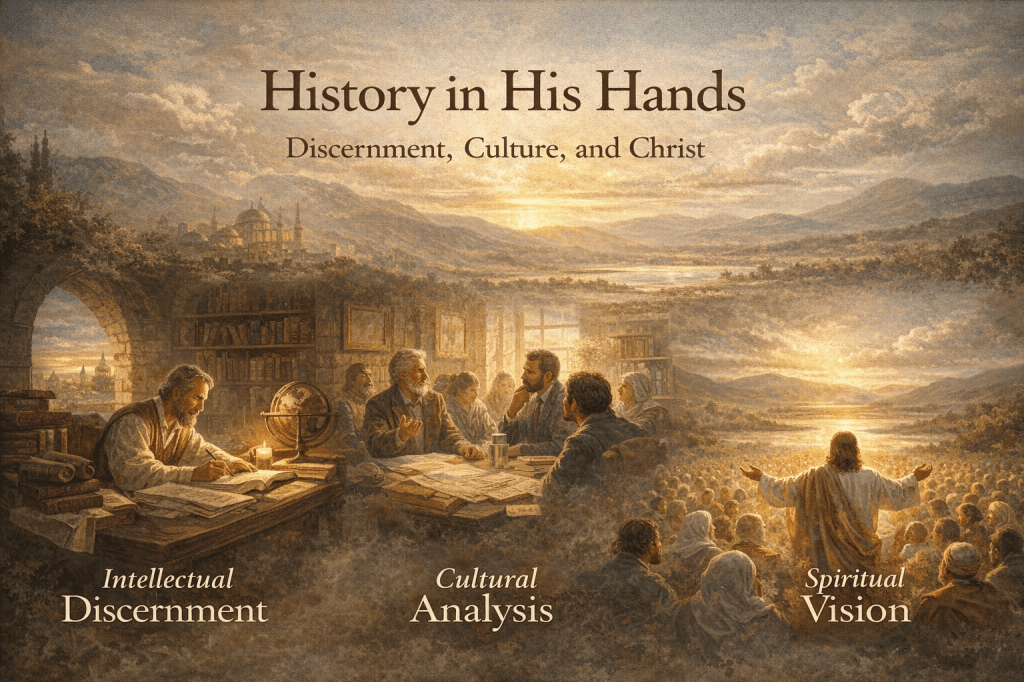
Introduction
We live in an age that seeks to decode everything — history, culture, belief, even faith itself. Predictive models promise patterns. Cultural theories offer frameworks. Intellectual paradigms attempt to organize the vast tapestry of human experience into structures that feel manageable and certain.
This three-part series emerged as a reflection on that impulse.
Part I — Intellectual Discernment considers the appeal and the limits of predictive approaches to history — the temptation to compress complex human realities into deterministic systems.
Part II — Cultural Analysis explores why such paradigms resonate so strongly in our time, and how contemporary thought often privileges deconstruction and reinterpretation over continuity and inheritance.
Yet reflection does not end with critique.
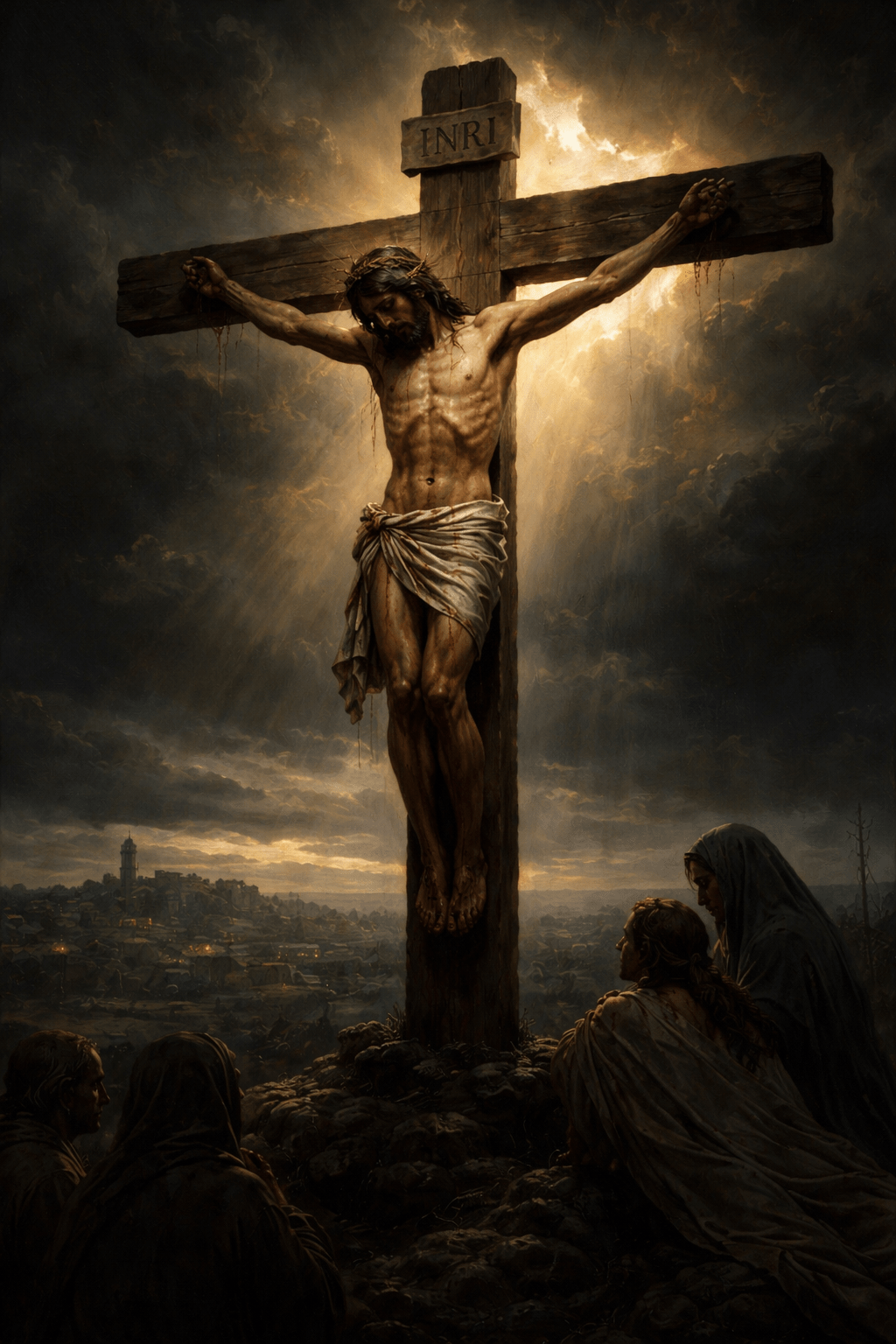
Part III — Spiritual Vision turns from analysis toward contemplation. Moving beyond lenses and systems, it invites the reader to consider history not merely as something constructed or decoded, but as something held — within the providence of Christ.
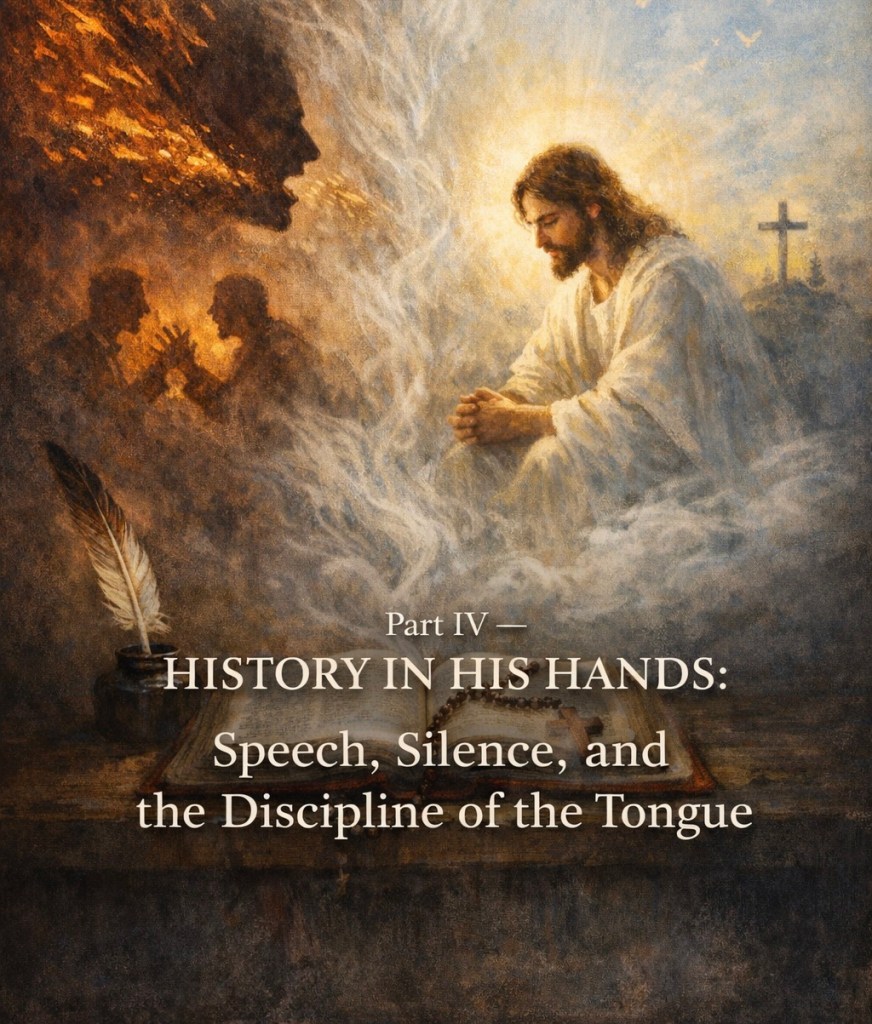
Part IV — Speech and Silence: Guarding the Tongue in an Age of Outrage
On the moral weight of language, the discipline of charity, and surrendering even our words into His hands.
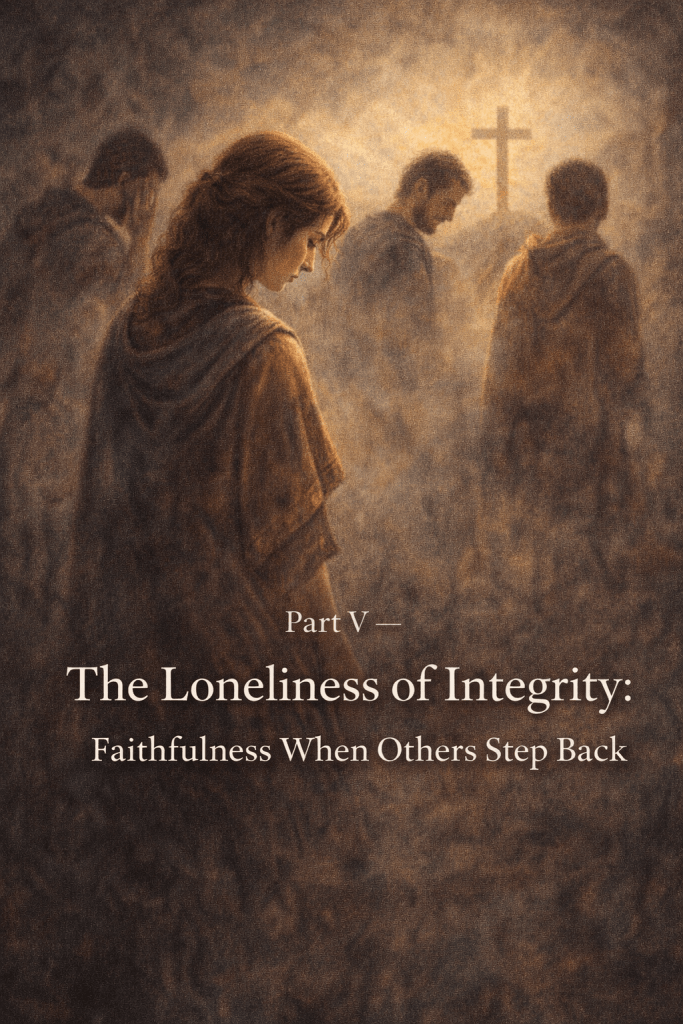
Part V — The Loneliness of Integrity: Faithfulness When Others Step Back
On courage without applause, integrity without reinforcement, and entrusting reputation, relationships, and outcomes to Christ.
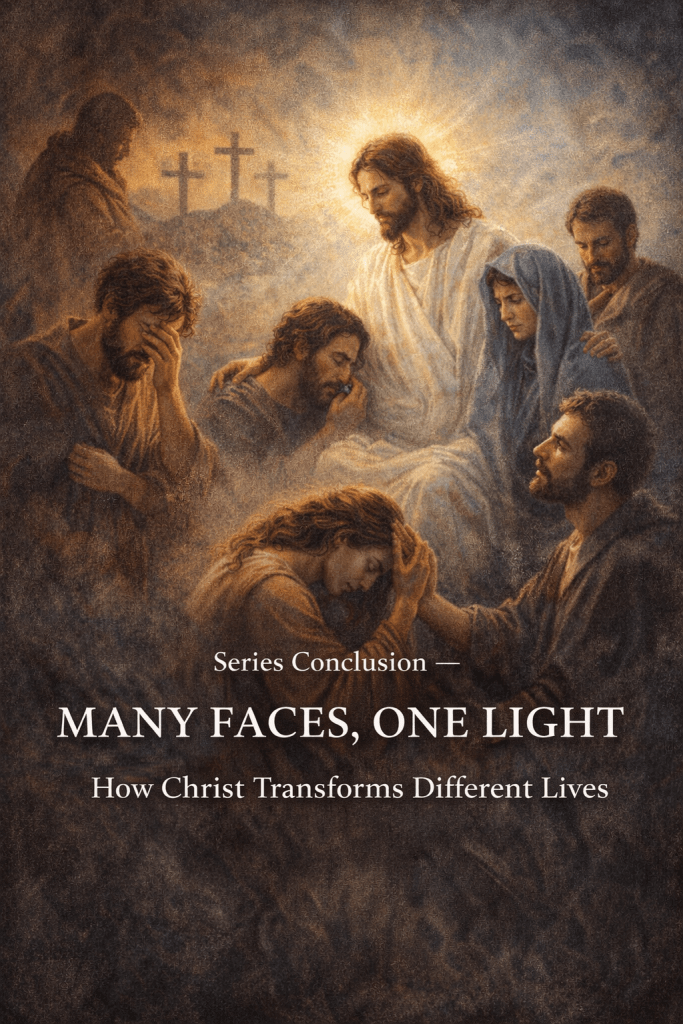
Series Conclusion — Many Faces, One Light
On the diverse witnesses who encountered Christ — Peter, Thomas, Mary Magdalene, John, and others — and how the same Light transformed fragile people into bearers of the Gospel.
Together, these reflections trace a quiet movement:
from analysis to humility,
from critique to discernment,
from mastery to trust.
They are not an argument against inquiry, but an invitation to see history — and ourselves — in the light of the One who stands both within time and beyond it.



 Be Inspired!