Syriac (Peshitta) text
ܐܒܘܢ ܕܒܫܡܝܐ
ܢܬܩܕܫ ܫܡܟ
ܬܐܬܐ ܡܠܟܘܬܟ
ܢܗܘܐ ܨܒܝܢܟ
ܐܝܟܢܐ ܕܒܫܡܝܐ ܐܦ ܒܐܪܥܐ
ܗܒ ܠܢ ܠܚܡܐ ܕܣܘܢܩܢܢ ܝܘܡܢܐ
ܘܫܒܘܩ ܠܢ ܚܘܒܝܢ
ܐܝܟܢܐ ܕܐܦ ܚܢܢ ܫܒܩܢ ܠܚܝܒܝܢ
ܘܠܐ ܬܥܠܢ ܠܢܣܝܘܢܐ
ܐܠܐ ܦܨܢ ܡܢ ܒܝܫܐ
ܡܛܠ ܕܕܝܠܟ ܗܝ ܡܠܟܘܬܐ
ܘܚܝܠܐ ܘܬܫܒܘܚܬܐ
ܠܥܠܡ ܥܠܡܝܢ
ܐܡܝܢ
Transliteration (for reading aloud)
Abun d-bashmaya
Nethqadash shmakh
Tete malkuthakh
Nehwe sebyanakh
aykana d-bashmaya af b-ar’a
Hab lan lakhma d-sunqanan yawmana
Washboq lan hawbayn
aykana d-af hnan shbaqan l-haybayn
W-la ta‘lan l-nesyuna
ella passan men bisha
Metul d-dilakh hi malkutha
w-hayla w-teshbuhta
l-‘alam ‘almin
Amin
Fairly literal sense into English
Our Father who is in the heavens,
may Your name be made holy.
May Your kingdom come;
may Your will be done,
as in heaven, so also on earth.
Give us today the bread of our need.
And forgive us our debts,
as we also have forgiven our debtors.
And do not bring us into trial,
but deliver us from evil.
For Yours is the kingdom
and the power and the glory
unto the ages of ages.
Amen.
A Plain Rendering of the Lord’s Prayer
Our Father who is in heaven,
may Your name be made holy.
May Your kingdom come.
May Your will be done,
as in heaven, so also on earth.
Give us today the bread of our need.
And forgive us our debts,
as we also have forgiven our debtors.
And do not bring us into trial,
but deliver us from evil.
For Yours is the kingdom
and the power and the glory
unto the ages of ages.
Amen.
I have prayed the Lord’s Prayer for as long as I can remember. As a child, I even remember praying it at school. Like many prayers and old Christian songs learned by heart, its familiar words have remained with me throughout my life and continue to be a source of comfort and peace.
Recently, I became curious about how the prayer sounds when the Syriac—the ancient Aramaic language of many Eastern Christians—is rendered into plain English.
We do not possess a written transcript of the exact Galilean Aramaic words Jesus spoke when he taught his disciples to pray. The earliest written forms of the Lord’s Prayer that survive are in Greek, in the Gospels of Matthew and Luke. But the Syriac Christian tradition preserves an ancient Aramaic form of the prayer that has been prayed for centuries.
What struck me most was its simplicity.
“May Your name be made holy.”
“Give us today the bread of our need.”
“Forgive us our debts.”
“Do not bring us into trial.”
These are the same petitions I have known all my life, yet hearing them in such plain language made me linger over them again.
I am not replacing the Lord’s Prayer I learned as a child. Those familiar words are woven too deeply into me for that.
Sometimes, though, an old prayer heard in slightly different words allows us to hear it anew.
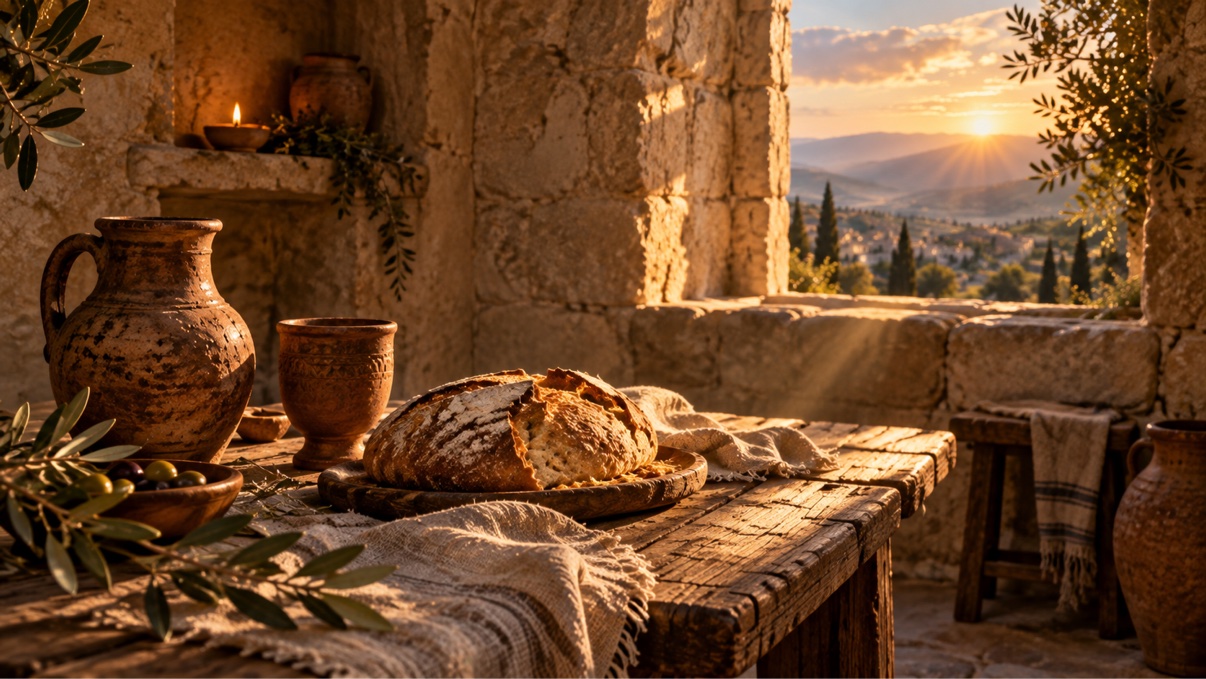
Give us today the bread of our need.
Amen.