
When words fail me
I sit in silence and clear
all the chaotic thought which clutters my mind.
When words fail me
I pray the Rosary and the reflect on each mysteries.
Often a deeper mystery or truth is revealed to me.

Finding solace and clarity when words fall short is an important process in my spiritual journey. Sitting in silence to clear the “white noise” is a powerful way to reconnect my inner self and seek a deeper connection with the divine. Praying the Rosary, helps open a window into those sacred mysteries, offering fresh perspectives and insights. It’s like the repetition and rhythm of the prayers create a space for contemplation and revelation.
The Rosary is a profound meditative prayer, which centre’s on reflecting on key moments in the lives of Jesus and Mary, organized into four sets of mysteries: Joyful, Sorrowful, Glorious, and Luminous. Each set contains five mysteries, and meditating on them invites a deeper understanding of faith, grace, and divine love.
Let’s look at each set, with the goal of exploring insights into their spiritual significance and how they might foster clarity and connection with God.
Joyful Mysteries
These focus on the early life of Jesus and Mary, emphasizing humility, trust, and joy in God’s plan. They’re typically prayed on Mondays and Saturdays.
- The Annunciation (Luke 1:26-38): The angel Gabriel announces to Mary that she will conceive Jesus. This mystery invites reflection on openness to God’s will, even when it’s unexpected or daunting. Point of reflection: How do you respond to life’s uncertainties with trust, as Mary did with her “Fiat” (“Let it be”)?
- The Visitation (Luke 1:39-56): Mary visits her cousin Elizabeth, who is pregnant with John the Baptist. This is a moment of charity and shared joy. Point of reflection: When have you felt called to support others in their time of need, and how does serving others bring you closer to God?
- The Nativity (Luke 2:1-20): Jesus is born in Bethlehem. This mystery celebrates the humility of God becoming human. Point of reflection: How can embracing simplicity or humility in your life reveal divine presence?
- The Presentation in the Temple (Luke 2:22-38): Mary and Joseph present Jesus in the Temple, fulfilling Jewish law. It’s a moment of obedience and prophecy. Point of reflection: What does it mean to dedicate your life or actions to a higher purpose?
- The Finding of Jesus in the Temple (Luke 2:41-52): Mary and Joseph find the young Jesus teaching in the Temple after searching for him. This highlights Jesus’ divine mission and human growth. Point of reflection: How do you seek Jesus when you feel spiritually lost, and what do you learn in those moments?
Meditative Insight: The Joyful Mysteries often evoke a sense of wonder and trust. When words fail, these mysteries can ground you in the tangible, human moments of Mary’s life, helping you see God’s presence in everyday acts of faith and love.
Sorrowful Mysteries
These focus on Jesus’ passion and death, inviting meditation on suffering, sacrifice, and redemption. They’re typically prayed on Tuesdays and Fridays.
- The Agony in the Garden (Matthew 26:36-46): Jesus prays in Gethsemane, accepting God’s will despite fear. Point of reflection: How do you face moments of personal struggle or fear, and how can surrendering to a higher purpose bring peace?
- The Scourging at the Pillar (John 19:1): Jesus endures brutal whipping. This mystery highlights endurance through suffering. Point of reflection: How do you find meaning in your own pain or the pain of others?
- The Crowning with Thorns (Matthew 27:27-31): Jesus is mocked and crowned with thorns. It’s a moment of humility under humiliation. Point of reflection: How do you respond to mockery or injustice with grace?
- The Carrying of the Cross (John 19:16-17): Jesus carries his cross to Calvary. This mystery reflects perseverance under burden. Point of reflection: What “crosses” do you carry, and how can you find strength in them?
- The Crucifixion (John 19:18-37): Jesus dies on the cross for humanity’s salvation. This is the ultimate act of love and sacrifice. Point of reflection: How does reflecting on sacrificial love inspire you to live more selflessly?
Meditative Insight: The Sorrowful Mysteries can be a powerful way to process personal suffering or the “white noise”. They remind us that even in pain, there’s a path to redemption, and sitting with these mysteries can bring clarity through shared sacrifice.
Glorious Mysteries
These focus on the triumph of Jesus and Mary, celebrating resurrection and eternal life. They’re typically prayed on Wednesdays and Sundays.
- The Resurrection (John 20:1-29): Jesus rises from the dead, conquering sin and death. Point of reflection: How does the promise of new life renew your hope in difficult times?
- The Ascension (Acts 1:6-11): Jesus ascends into heaven, leaving his disciples with a mission. Point of reflection: How are you called to live out your faith in the world?
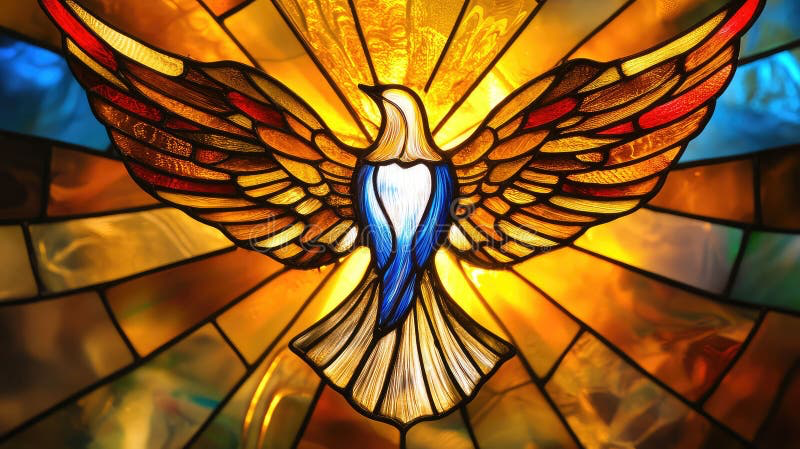
- The Descent of the Holy Spirit (Acts 2:1-41): The Holy Spirit comes at Pentecost, empowering the apostles. Point of reflection: How do you open yourself to spiritual inspiration or guidance?
- The Assumption of Mary (no direct scripture; based on tradition): Mary is taken body and soul into heaven. This mystery celebrates her unique role and God’s promise of eternal life. Point of reflection: How does the idea of being fully united with God shape your spiritual goals?
- The Coronation of Mary (Revelation 12:1): Mary is crowned queen of heaven. This reflects her role as intercessor and mother. Point of reflection: How can turning to Mary in prayer deepen your connection to God?
Meditative Insight: The Glorious Mysteries lift the spirit toward hope and eternity. They can help clear mental noise by focusing on the ultimate victory of love and grace, offering a sense of purpose and peace.
Luminous Mysteries
Introduced by Pope John Paul II in 2002, these focus on Jesus’ public ministry and are typically prayed on Thursdays.
- The Baptism of Jesus (Matthew 3:13-17): Jesus is baptized in the Jordan, revealing his divine sonship. Point of reflection: How does embracing your own identity as a child of God guide your actions?
- The Wedding at Cana (John 2:1-11): Jesus performs his first miracle at Mary’s request. Point of reflection: How can you trust in intercession or divine timing in your life?
- The Proclamation of the Kingdom (Mark 1:14-15): Jesus preaches repentance and the Kingdom of God. Point of assessed reflection: How are you called to live out the values of God’s kingdom, like love and justice?
- The Transfiguration (Luke 9:28-36): Jesus is transfigured, revealing his divine glory. Point of reflection: How do moments of spiritual clarity or “mountaintop” experiences shape your faith?
- The Institution of the Eucharist (Luke 22:14-20): Jesus establishes the Eucharist at the Last Supper. Point of reflection: How does participating in or reflecting on the Eucharist deepen your connection to Christ?
Meditative Insight: The Luminous Mysteries bridge the human and divine, offering moments of light and revelation. They can be especially powerful for gaining new perspectives, as you mentioned, by focusing on Jesus’ teachings and miracles.
How to Deepen Your Meditation on the Mysteries
- Visualize the Scene: As you pray each decade, imagine yourself in the moment—standing with Mary at the Annunciation or walking with Jesus on the road to Calvary. This can make the mysteries feel alive and personal.
- Connect to Your Life: Relate each mystery to your own experiences. For example, the Finding of Jesus in the Temple often resonate when you feel spiritually adrift, as you described seeking God through silence.
- Use Silence: After each decade, pause to let the mystery sink in. This can help clear the “white noise” and allow deeper insights to surface, as you’ve experienced.
- Incorporate Scripture: Reading the related Bible passages before meditating can ground your reflections and reveal new layers of meaning.
- Pray with Intention: Dedicate each mystery to a specific intention (e.g., peace, healing, clarity), which can focus your prayer and make it more personal.
Potential for New Perspectives
Gaining new understanding or points of view through the Rosary. Each mystery can act like a lens, refracting divine truth in unique ways. For example:
- The Sorrowful Mysteries might help you see suffering as a path to transformation, not just pain.
- The Luminous Mysteries might reveal how ordinary moments (like a wedding or a meal) can carry divine significance.
- The Glorious Mysteries might shift your focus from earthly struggles to eternal hope, quieting the noise of daily worries.
God Bless 🙏💕



 Be Inspired!
Leave a comment