
Featured image: AI-generated from a photograph of my father (ChatGPT).
Reflections on Migration, Faith, and Our Shared Humanity
Recently, watching the unrest in Europe and the heated conversations unfolding across social media, I found myself thinking about migration, poverty, and the divisions that continue to shape our world.
So much of the discussion centres on who belongs, who is responsible, and whom we should fear.
But I found myself asking a different question.
Why have people throughout history left the places they call home?
My thoughts turned to Scripture.
Abraham left his homeland in faith. Joseph’s family travelled to Egypt because famine threatened their survival. The Israelites later fled oppression. Ruth accompanied Naomi into an unfamiliar land.
And centuries later, another Joseph took Mary and the infant Jesus into Egypt, fleeing Herod’s persecution.
Different journeys, different circumstances, yet each reveals something of the human experience of uncertainty, vulnerability, and the search for safety or belonging.
These stories resonate with me because I am also a daughter of migrants.
My family left China in search of the Golden Mountain, carrying hopes for opportunity and a better life.
Growing up, I remember my father welcoming Chinese students who had no family in Canada. They joined us for meals and holiday celebrations.
I never thought much about those gatherings at the time. They were simply part of our family life.
Looking back, I wonder whether my father recognized something of his own journey in theirs.
Perhaps he understood what it meant to be far from home.
Perhaps he simply knew the importance of making room for someone at the table.
As a Catholic, I also remember Pope Francis’ appeals for compassion toward migrants and refugees.
In his 2023 message Free to Choose Whether to Migrate or to Stay, he reflected on the biblical journeys of Jacob’s family and the Holy Family into Egypt.
He reminded us that people should have not only the possibility of seeking refuge elsewhere, but also the freedom to remain in their homeland, living with dignity and security.
That thought stays with me.
What if addressing migration also means addressing the poverty, violence, and lack of opportunity that sometimes leave people with little choice but to depart?
Jesus Himself lived within a world divided by ethnicity, religion, and social standing. Yet His encounters with Samaritans, Gentiles, and those regarded as outsiders revealed a compassion that reached beyond inherited boundaries.
His parable of the Good Samaritan remains particularly meaningful. The person who stopped to help was the very outsider others might have overlooked.
None of this makes the challenges of immigration, integration, or public safety disappear. Nor does compassion excuse violence.
But it reminds me that behind the arguments are human lives, each with a history we may not fully understand.
And when I think about what it means to welcome the stranger, I return to a simple childhood memory.
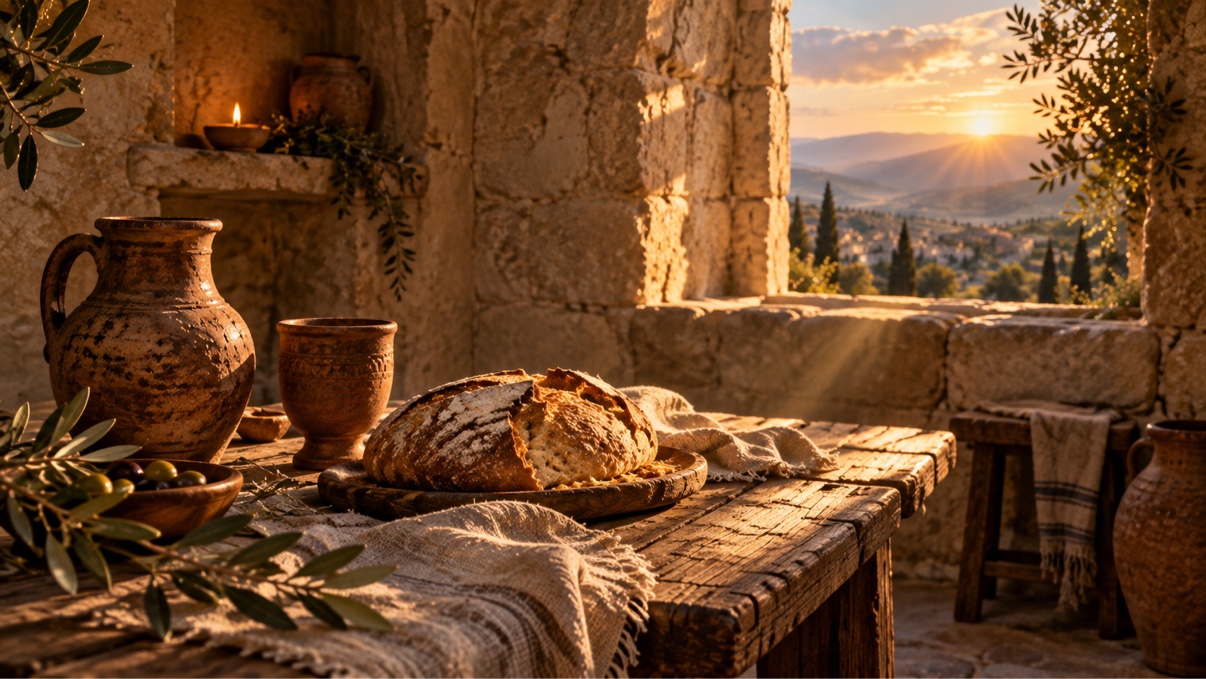
My father’s table.
A place where young people far from home were invited to share a meal and, for a little while, experience the warmth of family.
Perhaps understanding begins there.
Not with having all the answers, but with making room for another person’s story.
— Linda Lok
This reflection grew out of the family story I tell in my book Red Thread — https://a.co/d/05lJcvzj

Leave a Reply