
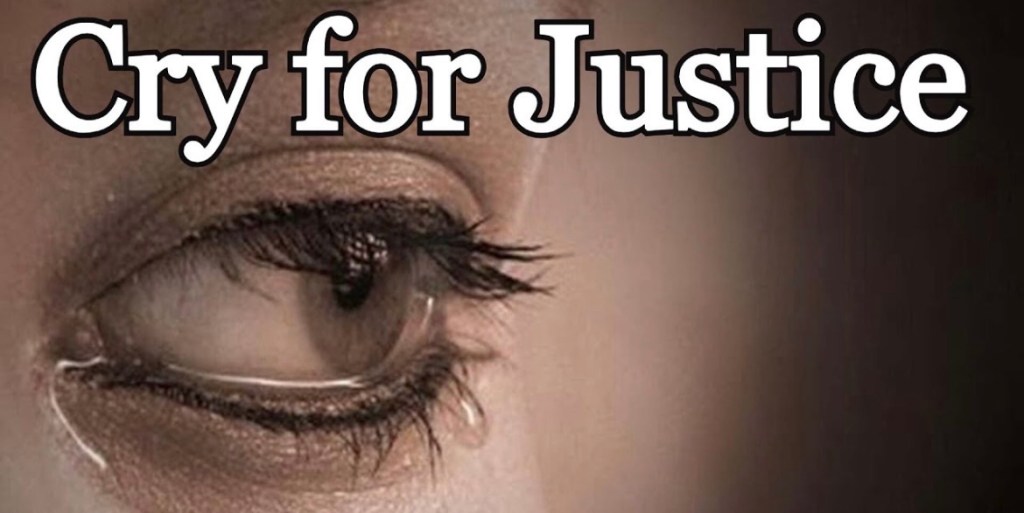
As a Catholic navigating the shadows of our world, I cling to the words of St. Paul in Ephesians 6:12: “For our struggle is not against flesh and blood, but against the rulers, against the authorities, against the powers of this dark world and against the spiritual forces of evil in the heavenly realms.” These words aren’t mere theology—they burn with the raw pain of real suffering, reminding me that the cruelty I see isn’t just human sin but a cosmic rebellion against God’s goodness. In a world where power devours the innocent and truth is silenced like a forbidden whisper, I wrestle daily with how to live faithfully. How do I, with my heart shaped by the Eucharist and the Cross, speak out against the darkness without being consumed by despair?

The tragedy of Yu Menglong has pierced my soul like a wound in the side of Christ, laying bare the rot in systems meant to nurture. Yu, a 37-year-old Chinese actor known for roles in dramas like Eternal Love, died on September 11, 2025, after falling from a high-rise balcony in Beijing. Authorities quickly called it a suicide or accident, but resurfaced messages tell a darker story—one of betrayal and exploitation. In his final text to his mother, Yu wrote: “Every time I see the money they transfer, I vomit. That money isn’t earned by me; it’s dirty.” Allegations point to his agency, meant to protect him, instead suppressing his career when he resisted powerful figures and coercing him into money-laundering schemes that stained his conscience. Whispers of assault, drugging, and a staged “fall”—with claims he survived the first attempt only to be thrown again—echo the unresolved death of another actor, Qiao Renliang, under the same management nearly a decade ago. In China, the Great Firewall has erased Yu’s name from social media, silencing local voices, but beyond its reach, fans and advocates demand justice through petitions and viral pleas: Not just once, but three times—the death of Yu Menglong: When justice is silenced, who will be the next victim?
I cannot grasp the heart of such darkness—these “rulers and authorities” who wield influence like a blade, manipulating and destroying the vulnerable for profit. As a Catholic, it shatters me: Yu was a son, a brother, a light extinguished by the very systems meant to lift him up. The entertainment industry in China, like so many global arenas, reveals the demonic underbelly Paul warned of—a web of predation where the bold and upright are slain not by chance, but by design. Yet in this grief, I hear the Psalmist’s cry: “Why do the wicked prosper?” (Psalm 73:3). It’s a question that drove the prophets to fury and Our Lord to the temple courts, whip in hand.
So how do I, as a Catholic, live a conscientious life in Christ amid this corruption? How do I stand for truth and justice when the rules of the land seem forged in the same fire that consumes the innocent? Scripture and Tradition offer no easy answers, but a demanding path of discernment and courage. I begin with prayer—the “armor of God” Paul describes (Ephesians 6:10-18)—not as escape, but as strength. In the Eucharist, I meet the ultimate Victim of injustice, whose blood cries out from the altar, empowering me to echo the martyrs. We are called to obey governing authorities (Romans 13:1), but this obedience bows to God’s higher law. When systems corrupt—as they did for the apostles defying the Sanhedrin (Acts 5:29: “We must obey God rather than men”) or for saints like Óscar Romero, who condemned El Salvador’s death squads—I turn to Catholic social teaching. Rerum Novarum and Gaudium et Spes urge me to defend the dignity of every person, especially the exploited, and to demand systemic change without resorting to violence.
For Yu, this means practical action: amplifying silenced voices by signing petitions, sharing verified stories on open platforms, supporting organizations like Amnesty International, and praying for his family—especially his reportedly missing mother. As a lay Catholic, I’m called to infiltrate the world: voting for just policies, boycotting exploitative industries, and building accountability in my parish community. Standing for justice isn’t solitary; it’s communal witness. Like the early Church aiding the persecuted, I can join global Catholics—perhaps through groups like Pax Christi—to press for transparency in places like China’s entertainment industry. In the quiet of examen, I confront my own complicity: Do I consume media without questioning its human cost? Do I stay silent to preserve my comfort?
Yet hope anchors me. Yu’s story, though cloaked in shadow, joins the communion of saints—those “slain for the word of God” (Revelation 6:9)—interceding before the throne. As a Catholic, I don’t just rage against the darkness; I carry Christ’s light into it, trusting that “the light shines in the darkness, and the darkness has not overcome it” (John 1:5).
Personal Prayer Reflection
O Lord, my heart is heavy with the weight of Yu Menglong’s tragedy, a wound in Your sacred heart. I see his face, a young man betrayed by those he trusted, and I feel my own helplessness against the powers of this world. Yet You, who bore the Cross of injustice, call me to stand firm. Grant me the courage to speak truth, the wisdom to discern Your will, and the love to act justly. When I falter, remind me of Your Mother, who stood at the foot of the Cross, unwavering. Help me to pray for Yu’s soul, his grieving family, and even those who harmed him, that they may turn to Your mercy. Transform my anger into action, my sorrow into hope. May I be Your hands, bringing light to the silenced, until Your justice reigns. Through Christ, our Lord, Amen.
For Yu Menglong, for the silenced, for every soul preyed upon: Requiescat in pace, and justice, soon. Amen.
God Bless 💕🙏
 Be Inspired!
Leave a comment